
The Paradox of Craving People but Avoiding Them
Life has changed so quickly in the last couple of decades. Videos are short, media is divisive, gratification is immediate, and loneliness is at an all‑time high. Where did the days go when we knew where our friends were because everyone’s bikes were in the front yard? What about loitering at the mall and getting scolded by security? Or visiting with family and friends on a weekend afternoon, just because? How about talking with our neighbors outside and unexpectedly spending the afternoon together?
The statistics help paint the picture many of us have felt over the years. According to Pew Research Center (2025), 1 in 6 Americans reported feeling lonely or isolated most of the time. In 1990, 27% of Americans indicated having three or fewer close friends; by 2021, that statistic had nearly doubled (United States Public Health Service, Office of the Surgeon General [USPHS], 2023).
Since 1991, teen pregnancy has decreased by 78% (Office of Population Affairs [OPA], 2024). Though the cause is unclear and may be related to safer sex practices, access to birth control, and education, many speculate that teens are also having less sex and less in‑person socialization than in previous decades.
According to the Public Religion Research Institute (2024), between 2013 and 2023, there was a 7% reduction in Americans attending a religious service at least once a week.
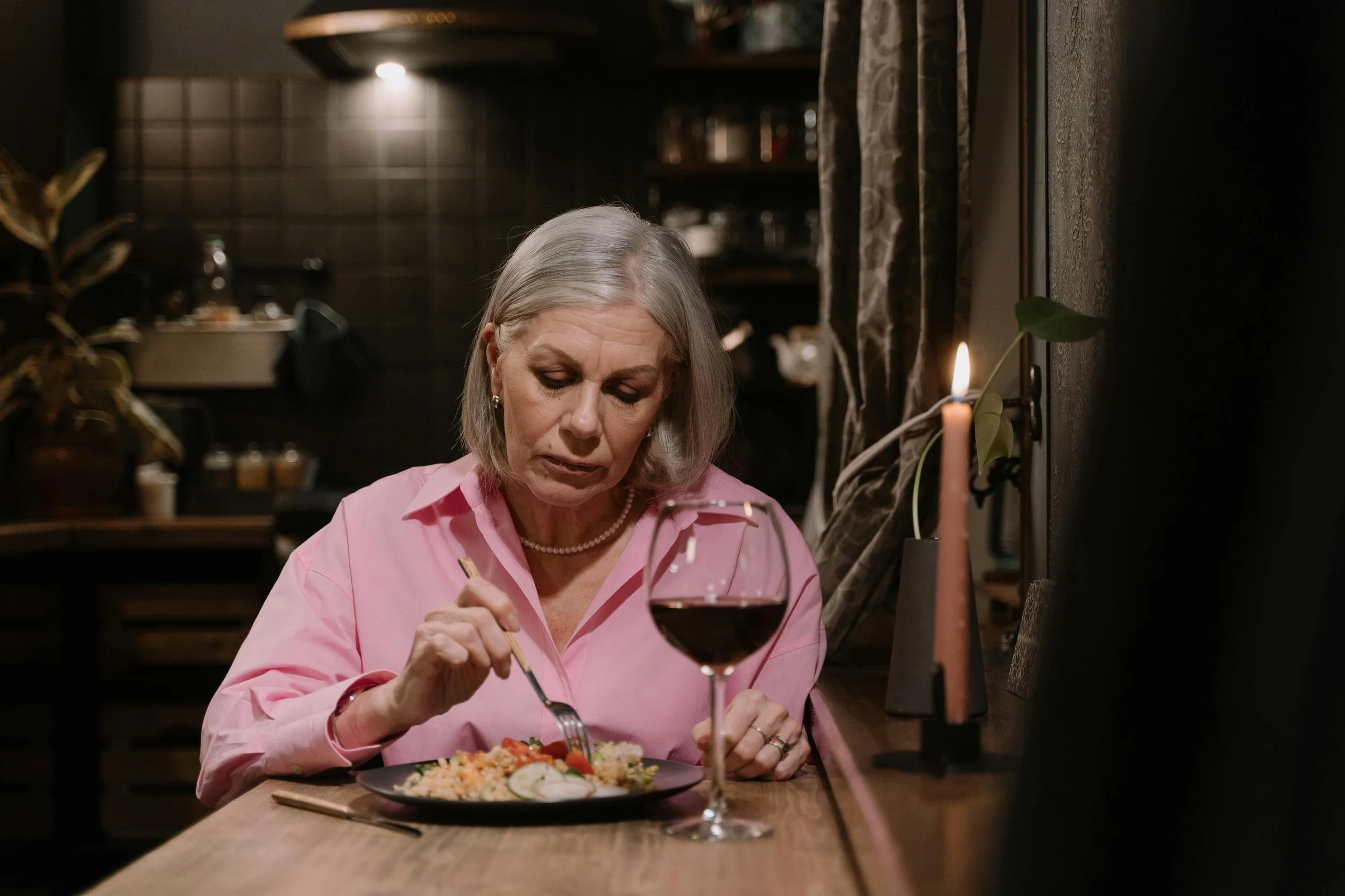
As an academic, it’s fun to look at the statistics, but they don’t tell the full story. All these changes are nuanced and have many contributing factors—not to mention the fact that we all just went through a worldwide pandemic in the last decade. What is undeniable is the shift we have felt. The effect of our behavioral changes, as a society, has resulted in harmful mental‑health consequences.
Is mental health on the rise, or is loneliness? Let’s not overcomplicate things. If counseling feels as though it’s at a stalemate, if your mood has tanked, or you’re one of the many feeling lonely, it may be time to reach back out to your community. The solution doesn’t always necessitate a clinical justification. Perhaps we just need to be with people.
In a society that is very isolated, this can be a hard ask. When we become comfortable being alone, getting back out there can feel intimidating. “What if they reject me? Will I say something weird? This is so overwhelming. I’ll just cancel.” Many see this loop as an act of self‑care; however, it keeps us stuck. The scary thing will only remain scary unless we confront it.
If you’re interested in reengaging with your community but feel uncertain about how to start, that’s okay. You’re not alone in this. It may not be as easy as walking up to another person and asking if they want to play, like when we were younger. But there are skills we can develop as adults to navigate the messy nuance of people.
Let me challenge you. The only way to get “unstuck” is to do something different. If you’ve gotten this far and resonated with any part of this, reach out to a friend. Send them a text. Hell, give them a call! Invite them out for lunch or coffee. It’s a neutral location, time‑limited, and you already have something to talk about—the restaurant and the food.
If this feels too big, or you’d like to take the next step in improving your social skills and expanding your community, feel free to reach out. We can help.
References
Goddard, I., & Parker, K. (2025, January 16). Men, women and social connections. Pew Research Center. https://www.pewresearch.org/social-trends/2025/01/16/men-women-and-social-connections/
Office of Population Affairs. (2024). Data and statistics on adolescent sexual and reproductive health. U.S. Department of Health and Human Services. https://opa.hhs.gov/adolescent-health/adolescent-sexual-and-reproductive-health/data-and-statistics-on-adolescent-sexual-and-reproductive-health
Public Religion Research Institute. (2024). Religious change in America. https://prri.org/research/religious-change-in-america/
United States Public Health Service, Office of the Surgeon General. (2023, May). Our epidemic of loneliness and isolation: The U.S. Surgeon General’s advisory on the healing effects of social connection and community. U.S. Department of Health and Human Services. https://www.hhs.gov/sites/default/files/surgeon-general-social-connection-advisory.pdf