

Returning to Work After Maternity Leave: Coming Back Changed
Returning to work after maternity leave can shift your identity. A therapist reflects on motherhood, conflicting emotions, and coming back changed.

Why Does Everything Feel Like Too Much? Understanding the Line Between "Overreacting" and a Trauma Response
Think of your amygdala, the brain's emotional panic button, as a smoke detector. If you have survived severe trauma, that smoke detector doesn't just work, it overachieves. It completely loses the ability to tell the difference between a slightly burnt piece of toast and a literal house fire.
When your partner sighs loudly while looking at the calendar, your brain doesn't just hear a sigh. It translates that sound as “Danger! Imminent conflict! Total abandonment!” and instantly triggers a fight, flight, freeze, or fawn response.
You aren't waking up and choosing to lose your cool over a minor inconvenience. Your body is just trying to protect you from a ghost in your past.

The Grief No One Talks About: Navigating Complex and "Guilty" Emotions After Loss
Real grief is rarely clean. It is often a messy, confusing mix of physical reactions and heavy emotions, like anger, relief, or complete numbness that many people feel deeply guilty talking about out loud. If you are a teen or young adult navigating a major loss, discover what is actually happening inside your nervous system when grief gets complicated, and learn how specialized trauma and loss therapy can help you find peace in the chaos.

When Showering and Going Outside Means It Was a Good Day
Three weeks postpartum, my couch is covered in snack wrappers, my shirt has an unidentified stain, and I've learned that showering and going outside can qualify as a wildly successful day. In this personal reflection, I share the unexpected identity shift that came with becoming a mother and how parenthood has challenged everything I thought I knew about productivity, purpose, and what really matters.
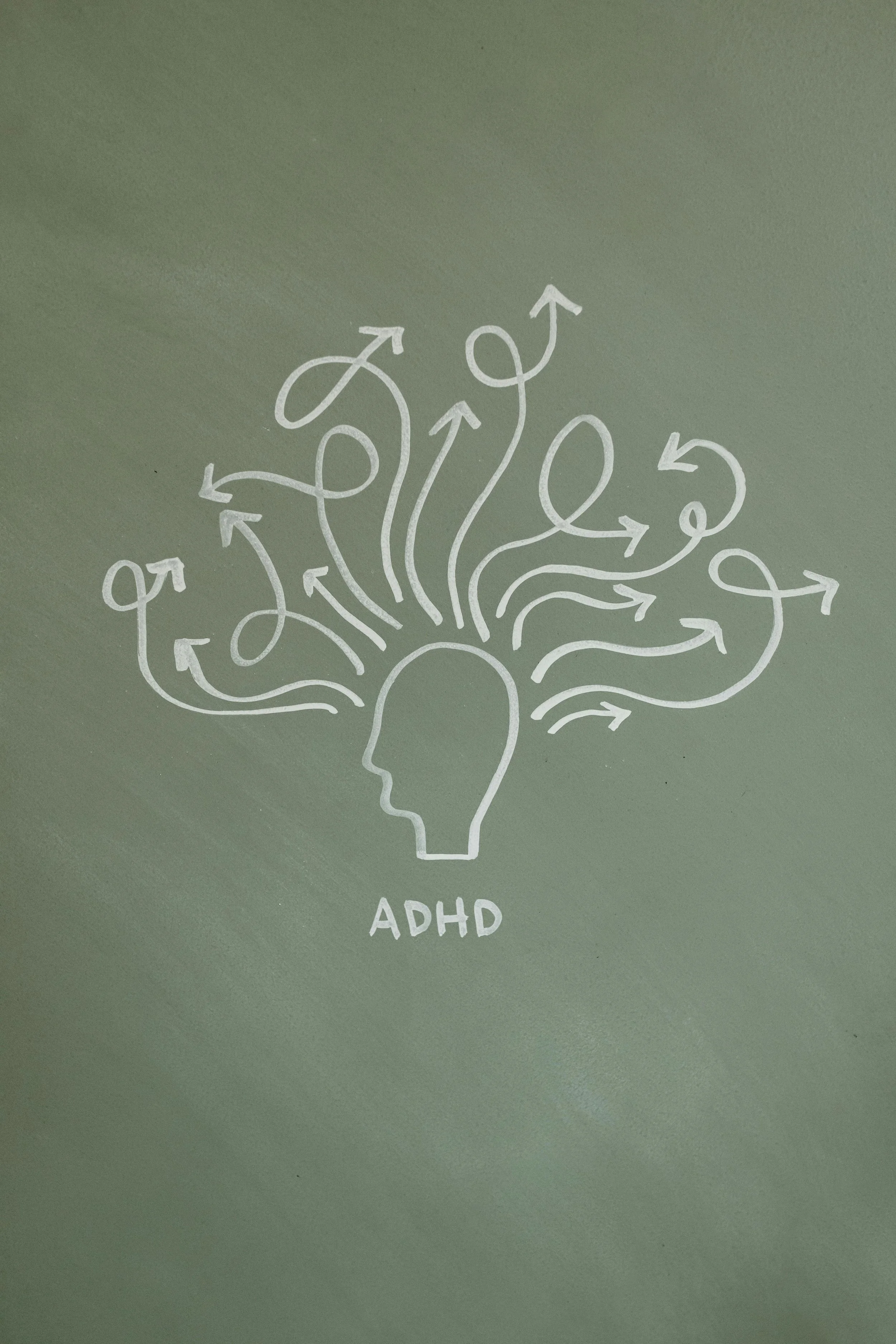
Loving Someone with ADHD (and 47 Open Tabs)
This article offers a clinically grounded explanation of ADHD, including common symptoms, genetic factors, and how ADHD shows up in daily life and relationships. It highlights ADHD strengths such as creativity, hyperfocus, and problem‑solving, and provides guidance on supporting a partner with ADHD through flexibility, communication, and compassion.

If You’re Always ‘Just Checking,’ It Might Be Time to Check In With Yourself
If you’re always “just checking,” you might be avoiding the quiet moments your mind needs. Learn how screen‑time habits, digital overstimulation, and emotional avoidance impact mental health, and how simple boredom can help you reset.

When You Don’t Recognize Your Teenager
If it feels like your once sweet kid has been replaced by a moody, sleep deprived cat who hisses when approached, you’re not imagining it. Their brain is under construction; their identity is in flux; and their emotions are running hotter than ever. Your job isn’t to control the storm, it’s to stay connected through it. When you approach them with curiosity instead of panic, you create the kind of relationship they’ll actually come back to.

Burnout Is a Weird Flex
Burnout has become a modern brag, a strange way of proving we care enough, work hard enough, or sacrifice enough to be worthy. But let’s be honest: running ourselves into the ground is not devotion, it is avoidance. When we treat exhaustion as responsibility, we hand over our agency and call it virtue. The truth is far less flattering. Most of what we label as obligations are choices, and pretending otherwise keeps us stuck in cycles that drain the very life we are trying to give away. If we want to show up for the people we love, we have to stop glorifying depletion and start treating boundaries and self care as the real markers of strength. Burn out is not a flex. Taking care of yourself is.

Growing a Practice… and a Person
Stepping into this season has felt like holding two truths at once: life can be deeply abundant and quietly overwhelming.

Why You Keep Choosing the Same Relationship Patterns
Many people repeat the same relationship patterns without realizing why. This article explores how early attachment experiences shape the partners you’re drawn to, why familiar dynamics can feel “safe,” and how therapy can help you break cycles of anxious, avoidant, or disorganized attachment to build healthier, more secure relationships

The Paradox of Craving People but Avoiding Them
Loneliness is rising in a world that’s more connected, and more disconnected, than ever. As quick entertainment and digital convenience replace spontaneous hangouts and community life, many of us find ourselves craving connection yet avoiding it out of fear, overwhelm, or habit. This article explores the growing paradox of wanting people but pulling away, the societal shifts fueling isolation, and why rebuilding community may be the key to improving our mental well‑being. If you’ve been feeling stuck, lonely, or unsure how to reconnect, you’re not alone—and small steps toward others can make all the difference.

Why am I still grieving?
Grief can feel overwhelming long after the world expects you to be “okay.” Many people search for grief counseling or grief support because they’re still grieving months or even years after a loss. The grieving process is not linear, and the stages of grief often resurface in waves, leaving people feeling isolated, confused, or stuck. Understanding how grief works, and receiving compassionate grief therapy, can help you navigate life after loss with support, clarity, and evidence‑based guidance.

How Mental Health Affects Physical Health

The Silent Strain of the Holiday Season
Explore how mental health, family conflict, and holiday stress impact emotional wellness—and discover practical tips for surviving the season with boundaries and self-care.

How Do I Find a Therapist in Akron, Ohio?

To everyone (except my previous bosses),

What is anxiety?
Lets talk about what anxiety is and what we can do about it.